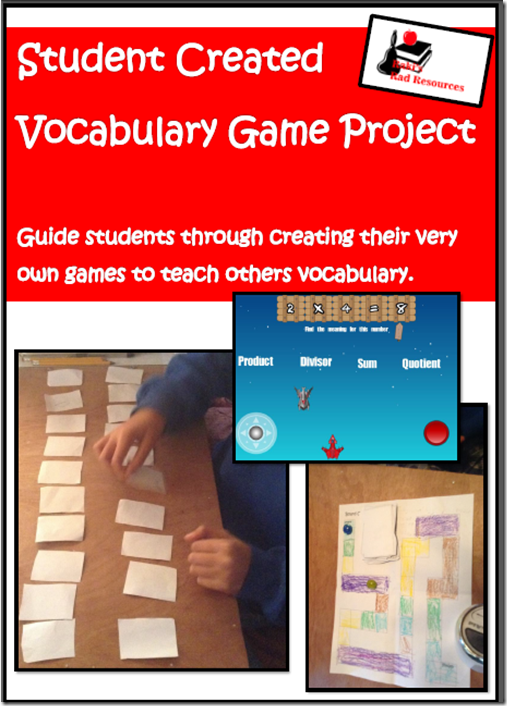
Recently I wrote a post about why low level/ low income students need projects as much as higher level students. After I wrote this post, I had quite a few questions about how to implement projects with low level students. So today's post is 10 Tips to Making Projects Work for Low Level Students:

1.) Model clear expectations - Be very clear about what you want your students to do, step by step. I often have these steps written out, like in my Math Projects, AND I discuss them with the students before we begin. Then be ready to explain the expectations again when students get stuck. Be patient, especially the first few times when the expectations of a project are completely new to your students.
If possible, show students examples of possible end projects. I like to take pictures of student projects to show next year's students. You can also create your own versions of the project to help them have a good visual of the expectations.
2.) Share rubrics with students BEFORE they begin working - Just as you want them to know what the end project will look like, you want them to know what their grade will be based on. With worksheets students generally understand what they have to do to get a good grade. With projects there are many ways to work hard but not be focused on the "correct" key elements they'll be graded on. For this reason, before we begin working on our projects, I always go over the grading rubric with my students. I point out the things that will cost them or gain them points so that they know how to get a good grade.
3.) Gather resources - Lower level students will often benefit if they have specific resources to use, rather than just being asked to "Google it". Especially during the first few projects, I gather together books, articles, videos, website links and other resources where I KNOW my students will be able to find the information that they need.
Often, I may even have students complete an Internet Scavenger Hunt on the same topic before we begin a project. This way the students have been led through the research and built up their background knowledge before they're being asked to create a project with this information. For example, I may have the students complete the Amazing Americans Internet Scavenger Hunt first, which covers 9 different American heros. Then we'll do the Amazing Americans Project where they choose one hero, do further research and create an informational power point about the person.
4.) Prepare "background building videos" - Similar to gathering resources, I often spend time building up our background before we begin a project. I often do this with videos. Right now my students are working on the research for the Ancient Civilizations project of their Country Study. Before they began researching their own individual countries' ancient civilizations, we watched multiple videos about ancient civilizations in general. We started with videos about civilizations in general and then moved into videos on the move of people from generally nomadic to generally agricultural. We also watched videos about archeology and how we learn about these ancient civilizations. All of this background helps our low level students to better digest their individual research because they have a frame of reference already built for them.
5.) Be ready to "guide from the side" - Projects are a great way to build independent work skills, but this is an area where most low level students are lacking. Be careful not to take over your students' projects, but be ready to guide your students with a well posed question or a suggestion of how to find their answer. Make sure students are still the ones who are researching or creating, but be available to them when they get stuck.
6.) Start with group work - Group projects provide their own set of challenges, especially the meshing of different personalities. However, group projects also allow higher level students to model good study skills for their peers. This is true even in a "low level class" because you will always have a few students who are higher in level than other students. Often the first few projects of the year will be group projects with the work broken up differently each project. This way students learn what is expected of them and have a chance to have someone other than you help them out.
Group projects can also help out the teacher because instead of having 20 different projects going on you might have 4 or 5 to focus on. This means less resources to gather and less chances of a project needing you to prop it up. Eventually you will want your students to work on individual projects so that they have the chance to find an individual area of interest but as you are starting out, group projects can ease the work load both for the students and for you.
7.) Develop procedures for projects - Just like any other activity you are going to do in your classroom, you will need procedures. In my classroom some of the project procedures include:
- Students who are working on projects have first priority on a computer or tablet.
- Students work on their projects at the same time every day. (Country study gets done first thing in the morning. Math projects get done during math centers. Research projects get done during our literacy block.)
- Students are encouraged to take their projects to the floor in order to spread out, especially with poster making.
- "In progress projects" can only be stored on one table.
- All materials must be cleaned up and stored when we move into another activity.
- Projects must be edited by a peer before I will do a final conference.
- Projects must be checked by the teacher for spelling, grammar and conceptual mistakes before they can be published. (ie. typed in a blog post or hung in the hallway)
Project procedures may differ from project to project, but as with everything else students will respond better to procedures that stay the same. So think carefully about how you want projects to look in your classroom for the school year. Then you can teach procedures once instead of each time you start a project.
8.) Allow for plenty of time - However long you think a project SHOULD take, double it. Especially with low level students, projects will take longer than expected, so allow for that time. This might mean starting a project before you start a unit. Or you might continue working on a project from one unit while you move into another unit. This is okay. Call it preview or review. Either way, I'd rather allow plenty of time for a project and have my students (and myself) feel we succesfully completed the project, than to rush through it just to be done "in time". In fact most teachers that I know who get frustrated doing projects are frustrated because the students don't finish in the time they allotted. The teacher often then throws the project out, leaving both teacher and students feeling like they didn't accomplish something. Prevent this feeling by allowing plenty of time. If students finish early, awesome! That gives you more time for revising, editing, publishing and sharing. I'd always rather my students feel like they finished too early than to have them rushing because I didn't allow enough time.
9.) Start out slowly - I've been doing student projects for 10+ years. Right now in my classroom I have three different projects going on simultaneously. We are almost done with our Be an Architect Math Project where we are designing our dream school. We are right in the middle of our Ancient Civilizations project (which is a small part of our larger, year long Country Study Project). And we have just begun the research for a City Comparison Project. My students started doing projects during week 2 of the school year.
However, my first year in teaching we did 4 projects during the entire school year. For a long time I never had more than one project going at the same time. You don't have to try and do what I do or what any other teacher does. If you've never done projects before, choose one small project and try it out. When you're done, take some time to hash out what worked and what didn't. Then choose another project that's slightly bigger and try it, maybe even after you've taken a significant break. Use your reflection to build better procedures or guide your students differently.
Don't overwhelm yourself, just give projects a good solid try. Eventually you (and your students - no matter their level) will find your groove with projects. Projects can and should be fun for you and your students. They should also make your job easier, not harder. Projects that are working well will allow your students to begin to "teach themselves". Projects should also decrease the amount of grading you need to do. I'd always rather grade one solid project, which integrates several skills than ten seperate worksheets.
10.) Celebrate the results - No matter how the projects turn out, take time to celebrate. End projects will often look different than what you dreamed about when you were planning. However, that final project is the result of your students' learning and persistence. Take time to celebrate that learning with your students.
Allow students to share their projects with someone else as well. This could be their own classmates, another class, their parents or even administrators. Students DO NOT have to stand in front of the class to share out their projects. Check out this old blog post on 4 Ways to Share Projects Without Standing in Front of the Class. No matter who your students share with, watching them get excited about the work they did is one of the best parts of doing projects with students, especially low level students.
If you're ready to start projects in your room, but you're not sure where to start, consider one of these projects from my Teachers Pay Teachers store:








1.) Model clear expectations - Be very clear about what you want your students to do, step by step. I often have these steps written out, like in my Math Projects, AND I discuss them with the students before we begin. Then be ready to explain the expectations again when students get stuck. Be patient, especially the first few times when the expectations of a project are completely new to your students.
If possible, show students examples of possible end projects. I like to take pictures of student projects to show next year's students. You can also create your own versions of the project to help them have a good visual of the expectations.
2.) Share rubrics with students BEFORE they begin working - Just as you want them to know what the end project will look like, you want them to know what their grade will be based on. With worksheets students generally understand what they have to do to get a good grade. With projects there are many ways to work hard but not be focused on the "correct" key elements they'll be graded on. For this reason, before we begin working on our projects, I always go over the grading rubric with my students. I point out the things that will cost them or gain them points so that they know how to get a good grade.
3.) Gather resources - Lower level students will often benefit if they have specific resources to use, rather than just being asked to "Google it". Especially during the first few projects, I gather together books, articles, videos, website links and other resources where I KNOW my students will be able to find the information that they need.
Often, I may even have students complete an Internet Scavenger Hunt on the same topic before we begin a project. This way the students have been led through the research and built up their background knowledge before they're being asked to create a project with this information. For example, I may have the students complete the Amazing Americans Internet Scavenger Hunt first, which covers 9 different American heros. Then we'll do the Amazing Americans Project where they choose one hero, do further research and create an informational power point about the person.
4.) Prepare "background building videos" - Similar to gathering resources, I often spend time building up our background before we begin a project. I often do this with videos. Right now my students are working on the research for the Ancient Civilizations project of their Country Study. Before they began researching their own individual countries' ancient civilizations, we watched multiple videos about ancient civilizations in general. We started with videos about civilizations in general and then moved into videos on the move of people from generally nomadic to generally agricultural. We also watched videos about archeology and how we learn about these ancient civilizations. All of this background helps our low level students to better digest their individual research because they have a frame of reference already built for them.
5.) Be ready to "guide from the side" - Projects are a great way to build independent work skills, but this is an area where most low level students are lacking. Be careful not to take over your students' projects, but be ready to guide your students with a well posed question or a suggestion of how to find their answer. Make sure students are still the ones who are researching or creating, but be available to them when they get stuck.
6.) Start with group work - Group projects provide their own set of challenges, especially the meshing of different personalities. However, group projects also allow higher level students to model good study skills for their peers. This is true even in a "low level class" because you will always have a few students who are higher in level than other students. Often the first few projects of the year will be group projects with the work broken up differently each project. This way students learn what is expected of them and have a chance to have someone other than you help them out.
Group projects can also help out the teacher because instead of having 20 different projects going on you might have 4 or 5 to focus on. This means less resources to gather and less chances of a project needing you to prop it up. Eventually you will want your students to work on individual projects so that they have the chance to find an individual area of interest but as you are starting out, group projects can ease the work load both for the students and for you.
7.) Develop procedures for projects - Just like any other activity you are going to do in your classroom, you will need procedures. In my classroom some of the project procedures include:
- Students who are working on projects have first priority on a computer or tablet.
- Students work on their projects at the same time every day. (Country study gets done first thing in the morning. Math projects get done during math centers. Research projects get done during our literacy block.)
- Students are encouraged to take their projects to the floor in order to spread out, especially with poster making.
- "In progress projects" can only be stored on one table.
- All materials must be cleaned up and stored when we move into another activity.
- Projects must be edited by a peer before I will do a final conference.
- Projects must be checked by the teacher for spelling, grammar and conceptual mistakes before they can be published. (ie. typed in a blog post or hung in the hallway)
Project procedures may differ from project to project, but as with everything else students will respond better to procedures that stay the same. So think carefully about how you want projects to look in your classroom for the school year. Then you can teach procedures once instead of each time you start a project.
8.) Allow for plenty of time - However long you think a project SHOULD take, double it. Especially with low level students, projects will take longer than expected, so allow for that time. This might mean starting a project before you start a unit. Or you might continue working on a project from one unit while you move into another unit. This is okay. Call it preview or review. Either way, I'd rather allow plenty of time for a project and have my students (and myself) feel we succesfully completed the project, than to rush through it just to be done "in time". In fact most teachers that I know who get frustrated doing projects are frustrated because the students don't finish in the time they allotted. The teacher often then throws the project out, leaving both teacher and students feeling like they didn't accomplish something. Prevent this feeling by allowing plenty of time. If students finish early, awesome! That gives you more time for revising, editing, publishing and sharing. I'd always rather my students feel like they finished too early than to have them rushing because I didn't allow enough time.
9.) Start out slowly - I've been doing student projects for 10+ years. Right now in my classroom I have three different projects going on simultaneously. We are almost done with our Be an Architect Math Project where we are designing our dream school. We are right in the middle of our Ancient Civilizations project (which is a small part of our larger, year long Country Study Project). And we have just begun the research for a City Comparison Project. My students started doing projects during week 2 of the school year.
However, my first year in teaching we did 4 projects during the entire school year. For a long time I never had more than one project going at the same time. You don't have to try and do what I do or what any other teacher does. If you've never done projects before, choose one small project and try it out. When you're done, take some time to hash out what worked and what didn't. Then choose another project that's slightly bigger and try it, maybe even after you've taken a significant break. Use your reflection to build better procedures or guide your students differently.
Don't overwhelm yourself, just give projects a good solid try. Eventually you (and your students - no matter their level) will find your groove with projects. Projects can and should be fun for you and your students. They should also make your job easier, not harder. Projects that are working well will allow your students to begin to "teach themselves". Projects should also decrease the amount of grading you need to do. I'd always rather grade one solid project, which integrates several skills than ten seperate worksheets.
10.) Celebrate the results - No matter how the projects turn out, take time to celebrate. End projects will often look different than what you dreamed about when you were planning. However, that final project is the result of your students' learning and persistence. Take time to celebrate that learning with your students.
Allow students to share their projects with someone else as well. This could be their own classmates, another class, their parents or even administrators. Students DO NOT have to stand in front of the class to share out their projects. Check out this old blog post on 4 Ways to Share Projects Without Standing in Front of the Class. No matter who your students share with, watching them get excited about the work they did is one of the best parts of doing projects with students, especially low level students.
If you're ready to start projects in your room, but you're not sure where to start, consider one of these projects from my Teachers Pay Teachers store: